
What the topic covers
The phrase “non-Gamstop app” is used broadly in online discussions. It may refer to a gambling service’s dedicated app, a mobile-friendly website presented as an app, or software associated with a company that says it is not connected to Gamstop. Those descriptions do not establish who operates the service, what software is being used, or what protections apply. The label itself is not proof of safety, quality, licensing or suitability.
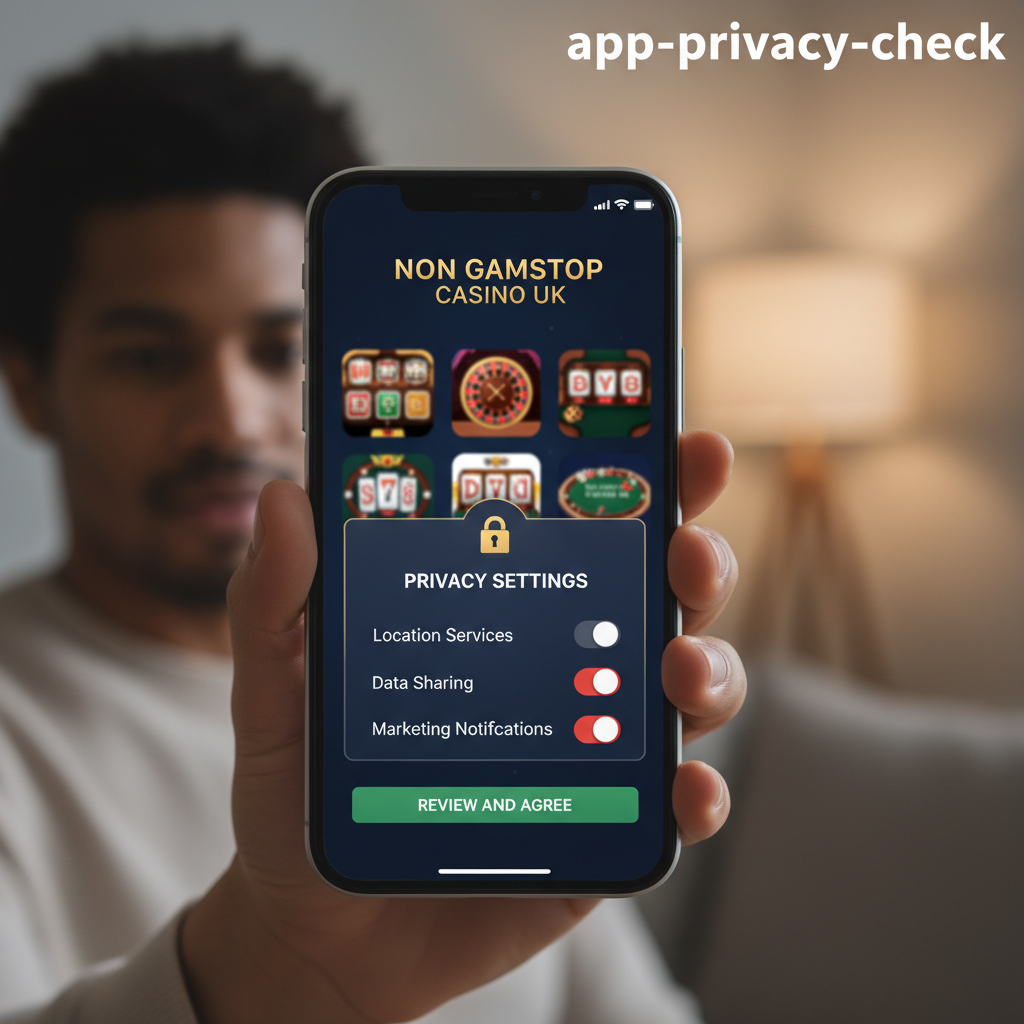
This checklist focuses on three practical areas: the identity of the app publisher, the permissions and data practices associated with the software, and the history of updates. These checks can help an adult reader identify missing or inconsistent information. They cannot confirm that an app is safe, that a privacy statement matches actual processing, or that a service is appropriate for someone who has self-excluded. If self-exclusion is relevant, do not treat an app review as a way to bypass it.
It is also important to distinguish an app from a website shortcut or browser-based service. A shortcut may open a website without being a separate app, while an app-store listing can still require users to visit a website for important terms. Each component needs its own evidence: the software publisher, the service operator and the entity named in privacy information may not be the same. Do not assume their identities match without documentation.
What to verify independently
Start with the publisher identity shown by the app marketplace or other listing, then compare it with the company named in the app’s privacy notice and terms. Look for a consistent legal name, a working explanation of the publisher’s role, and a clear distinction between the software provider and the gambling operator. A trading name alone may not identify the responsible legal entity. In this case, no publisher or operator records were supplied, so none can be confirmed.
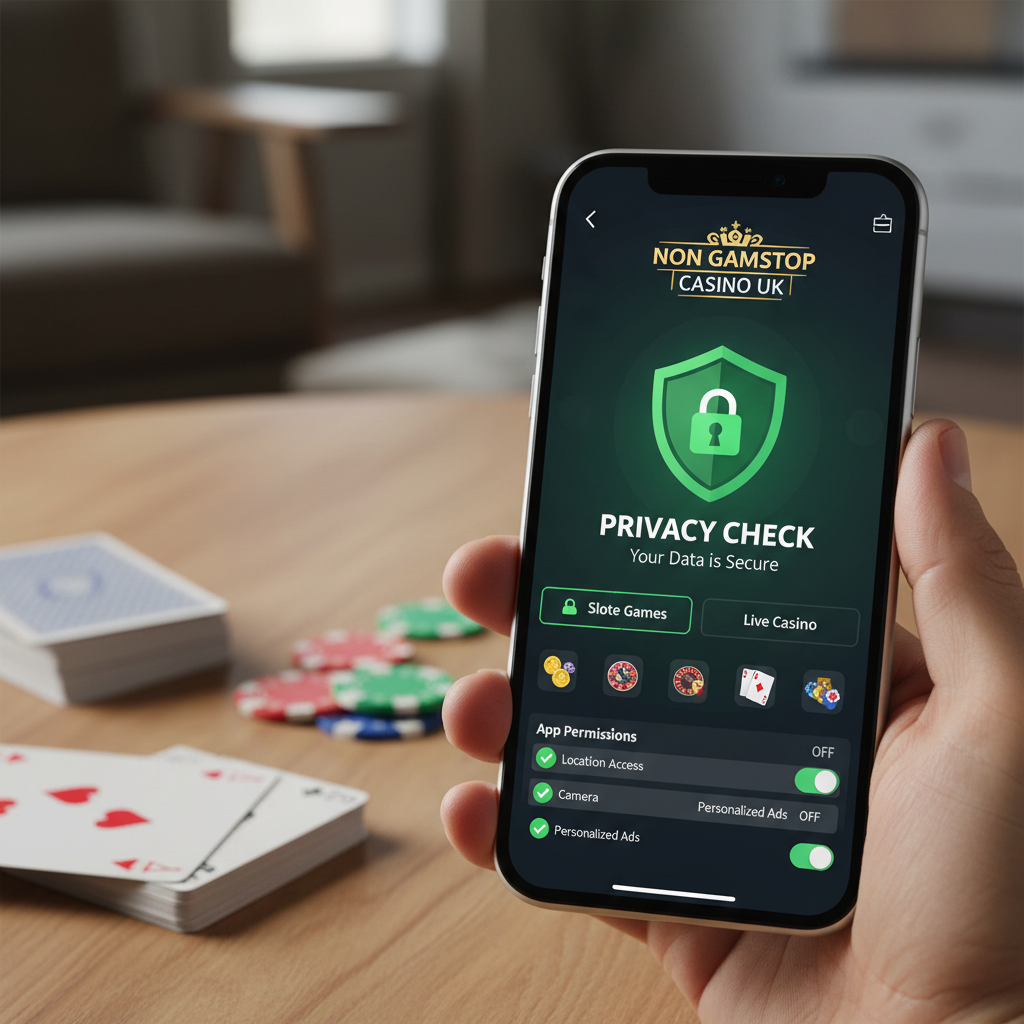
Review permissions in context. Access to notifications might support account alerts, but its purpose should be explained. Access to contacts, a microphone, a camera, location, photos or files deserves particular scrutiny if the stated app functions do not appear to require it. Permission labels vary by device and operating system, and a permission request does not by itself prove misuse. Conversely, a short permission list does not prove that little data is collected: information may also be entered by the user or gathered through network activity.
Check the privacy notice for the categories of information collected, purposes, retention, sharing, security contact and procedures for privacy requests. Compare these statements with the app’s permission prompts and account flows. Look at update history for dates, version notes and a consistent publisher name; unexplained gaps or vague notes are questions to investigate, not proof of wrongdoing. A listing’s privacy declarations and release notes are generally publisher-provided claims, not independent audits.
- Record the exact app or service name, publisher name, version information and the source where each detail appears.
- Compare requested permissions with stated features, and note any permission whose purpose is unclear.
- Check whether privacy terms identify data uses, sharing, retention and a route for privacy questions.
- Compare update notes over time and record inconsistencies without treating them as a verdict.
- Check account controls separately: logging out ends a session, while account deletion is a distinct request that may have separate steps and consequences.
| Area | Evidence to inspect | What it can and cannot show |
|---|---|---|
| Publisher identity | Listing details, company name in terms, and privacy notice | Can show whether names appear consistent; cannot establish responsibility without reliable records. |
| Permissions | Device permission prompts and explanations of app features | Can flag access needing explanation; cannot prove how information is used in practice. |
| Updates | Version history, release notes and publisher continuity | Can show a visible maintenance pattern; cannot certify software security or quality. |
| Privacy | Data categories, purposes, retention and contact procedures | Can disclose stated practices; cannot verify that actual processing follows them. |
How to read the evidence
Keep observations, publisher claims and conclusions separate. For example, “the listing names Company A” is an observation; “Company A operates the gambling service” is a conclusion that needs supporting evidence. Record where and when a detail was seen, since listings and notices can change. If two documents use different names, describe the discrepancy precisely rather than guessing whether it reflects a corporate relationship.
Give more weight to information that is specific, consistent and independently checkable, while recognizing that no single document answers every question. A privacy notice may explain intended practices but does not demonstrate technical controls. Update notes may indicate that a publisher has released changes but do not establish that the app has been security-tested. User reviews can describe individual experiences, but they are not a reliable substitute for verified records and may not represent typical outcomes.
When evidence is unavailable, label the point “not verified” rather than filling the gap with an assumption. The material provided for this article contains no app listing, permission record, update history, privacy notice or customer account. Accordingly, this review makes no findings about any provider, fees, support, licensing, data handling or user outcomes.
Risks and limits
Permissions and privacy are only part of a broader assessment. They do not establish the legitimacy of a gambling service, the security of payments, the fairness of games, or the availability of effective help. Nor does an app’s presence in a marketplace guarantee endorsement or independent verification. Claims about regulation, consumer rights or eligibility require current, jurisdiction-specific evidence; this checklist makes no legal determination.